More Time to Compare, More Pressure to Price Well, and a Look at Durham After Hours
At a glance
The most recent available August 2026 data show 6,024 active listings in the Raleigh CBSA and 2,194 in Durham-Chapel Hill, while median days on market reached 59 and 61 days respectively. For buyers, that makes careful comparison more practical, although the 30-year mortgage rate was 7.03% as of September 24, 2026. Away from the numbers, Durham gives home shoppers several distinct ways to spend an evening, while the Warehouse District shows how former tobacco buildings have become part of everyday downtown life.
Buyer: Use the Extra Time to Compare the Right Homes
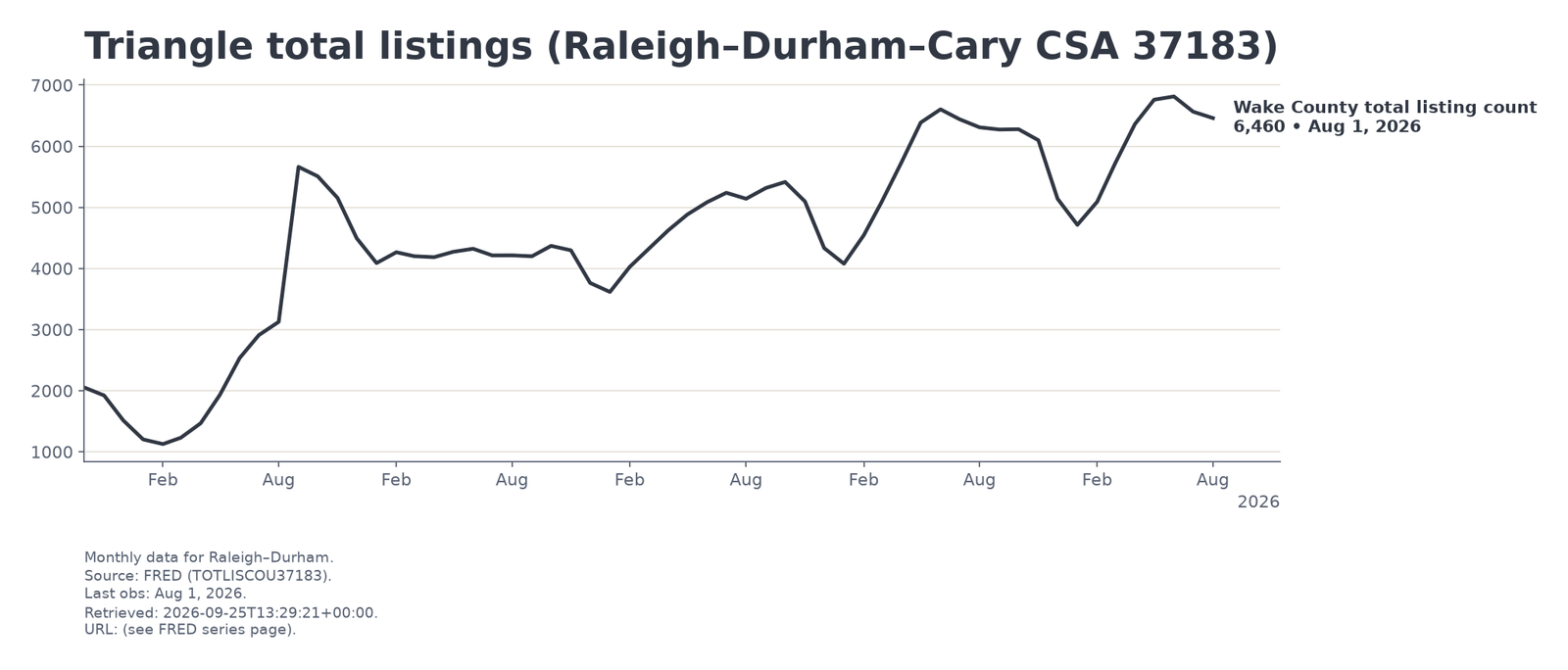
The Raleigh-Durham search does not have to be treated like a race from one showing to the next. Based on the most recent available August 2026 data, Raleigh had 6,024 active listings and a median 59 days on market, while Durham-Chapel Hill had 2,194 active listings and a median 61 days on market. Those figures give you a reason to compare individual listings carefully instead of assuming every appealing home requires an immediate decision. Financing still deserves just as much attention as the house itself, because the 30-year mortgage rate was 7.03% as of September 24, 2026. Set the payment range first, then use the available selection and marketing time to decide which homes actually deserve a closer look. A listing that has been available for several weeks can be worth revisiting, but the market-wide median does not tell you how much negotiating room exists on a specific property.
Seller: Price for the Response You Need
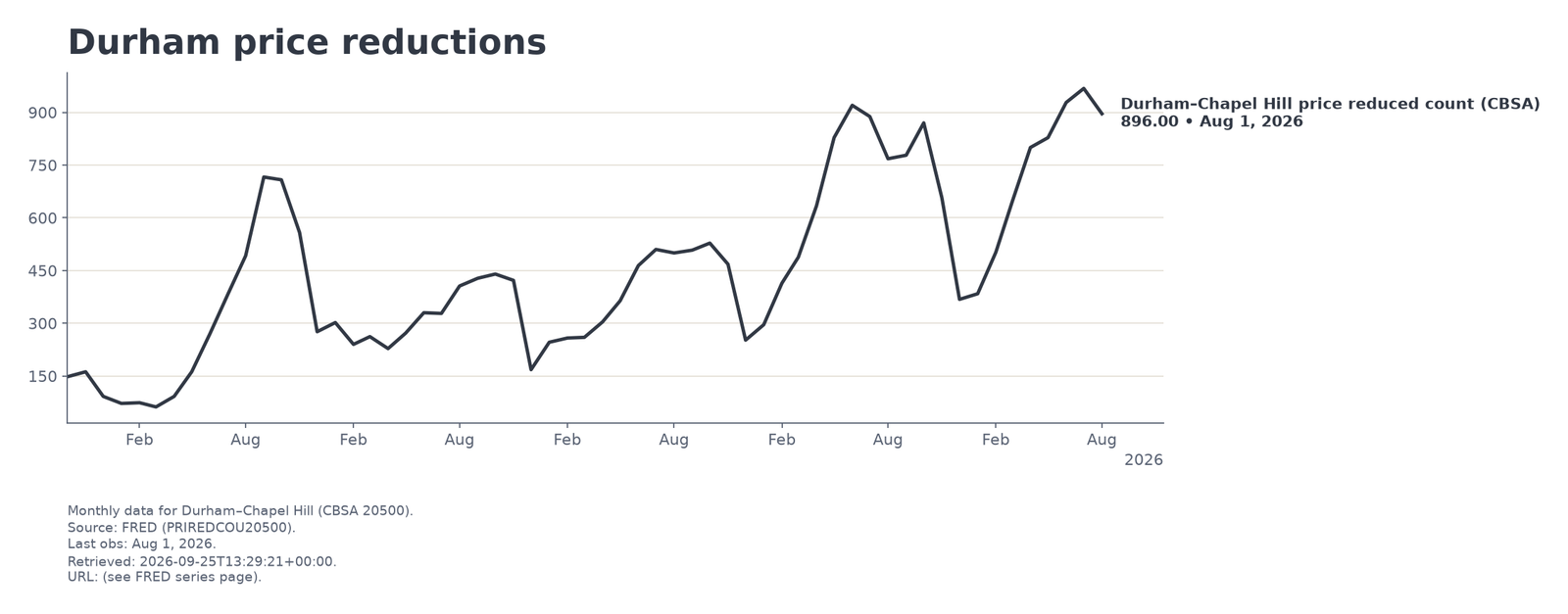
For sellers, the useful question is how quickly your home earns attention after it goes live. The most recent available August 2026 data put Raleigh's median listing price at $450,000 and median days on market at 59, while Durham-Chapel Hill's median listing price was $470,000 with a median 61 days on market. Price reductions were also part of the market, with 2,716 reduced listings in Raleigh and 896 in Durham-Chapel Hill in the most recent available August 2026 data. That does not mean your home needs a price cut, but it does make the first stretch of market feedback useful evidence rather than something to ignore. Start with a price you can defend against competing listings, then pay attention to whether showings and buyer interest match the position you intended to occupy. If the response is weak, reassess the individual listing rather than assuming more time alone will solve the problem.
Choose Your Durham Night: Cocktail, Dive, or Brewery
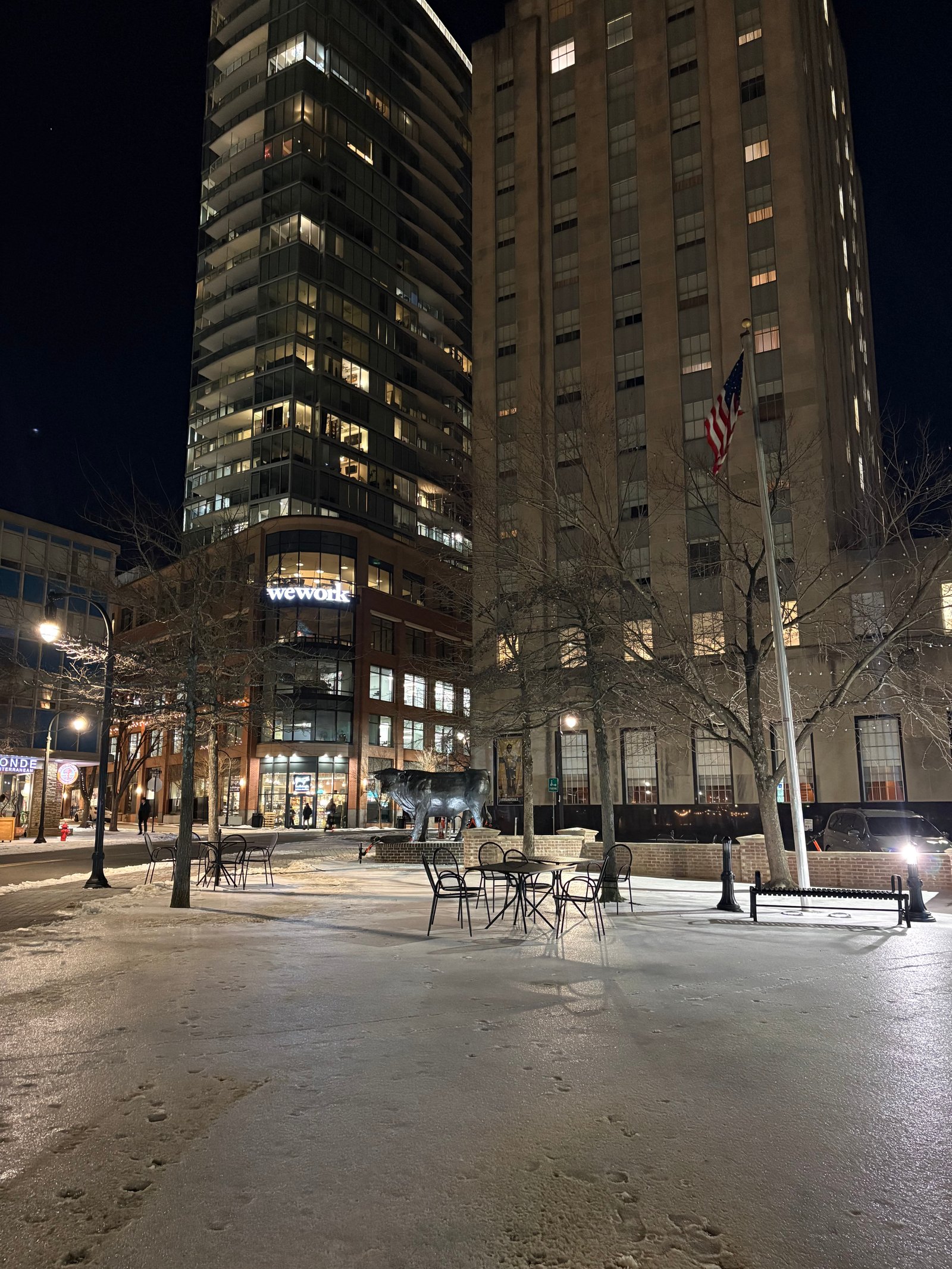
When you are deciding where to live, nightlife is more useful to think about as a routine than as a list of bars. A cocktail night in downtown Durham can mean sitting down for a carefully made drink at Alley Twenty Six, which Discover Durham identifies as a longstanding craft cocktail destination at 320 East Chapel Hill Street. A more casual night has a different rhythm at Kotuku Surf Club on Rigsbee Avenue, where the sprawling outdoor area, bocce courts, darts, and shuffleboard make the activity around the drink part of the experience. Durham's brewery scene adds another version of the night, with taprooms ranging from downtown and nearby districts to RTP. The practical difference is whether you picture yourself dressing for a cocktail, lingering over games in a relaxed bar, or making a brewery the gathering place. When you tour a home, come back after dinner and try the kind of night you would actually repeat, because proximity only matters if the nearby scene fits how you spend your time.
Local Area Spotlight: Living Among Downtown Durham's Old Warehouses
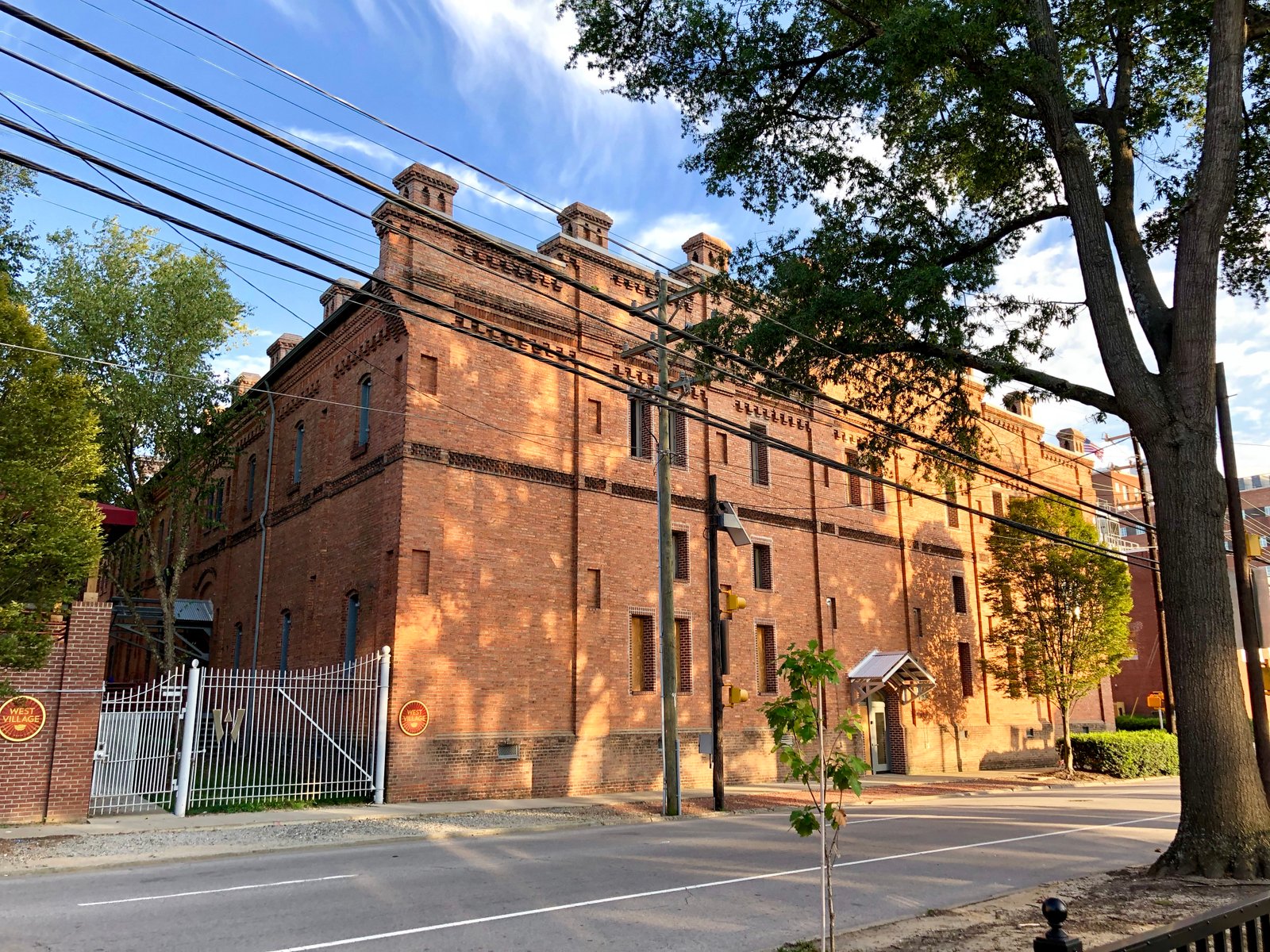
The Warehouse District makes the most sense when you picture an ordinary trip out the front door rather than treating the old brick buildings as scenery. Around Brightleaf Square, former tobacco warehouses have been adapted for shops, restaurants, and offices, so historic industrial buildings are part of the daily commercial landscape rather than isolated landmarks. Nearby West Village occupies former Liggett and Myers tobacco buildings, another example of the warehouse fabric being reused for modern downtown activity. That gives this part of Durham a physical character that is difficult to understand from a listing photo alone: large historic structures sit inside an active downtown rather than behind a museum rope. The same setting can be appealing precisely because home, restaurants, offices, and older industrial architecture occupy a relatively compact urban area. Before buying here, walk the blocks around a prospective home at the times you would normally leave for dinner or come back at night, and decide whether that mix of reused buildings and downtown activity feels convenient or simply busy to you.